

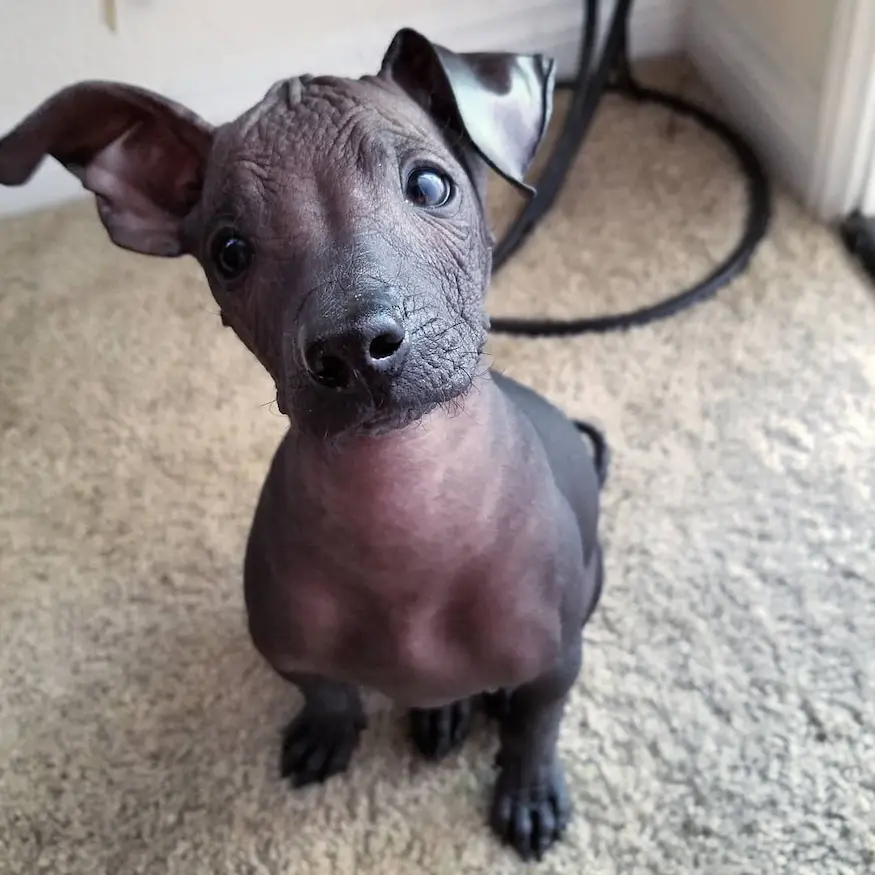

Peruvian Hairless Dog
Origin and History
The origins of the Peruvian Hairless Dog date back more than 3 000 years. Archaeological discoveries show ceramic figures and depictions of hairless dogs from ancient Peruvian civilizations such as the Moche, Chimu, and Vicus cultures. These pre-Inca societies valued these dogs not only as companions but also as sacred animals.
When the Inca Empire rose to power, the Peruvian Hairless Dog was considered a noble animal. Because of its warm skin, the Incas used to associate it with healing powers — believing it could relieve pain or help treat ailments such as arthritis or asthma.
After the Spanish conquest, the breed nearly disappeared, as European settlers favored imported dogs. However, thanks to the dedication of Peruvian breeders and cultural conservationists, the Peruvian Hairless Dog survived and was officially recognized as a national treasure.
Today, it is the only native Peruvian dog breed recognized internationally. It’s registered by the Fédération Cynologique Internationale (FCI) and also recognized by kennel clubs in the United States, Canada, and Europe.
Names and Recognition
This breed is known by several names:
- Peruvian Hairless Dog (most common in English)
- Perro Sin Pelo del Perú (Spanish name)
- Peruvian Inca Orchid (name used in the U.S.)
- Viringo (traditional Peruvian nickname)
Its official international name is Peruvian Hairless Dog, classified in the FCI under Group 5 (Spitz and Primitive types), Section 6 (Primitive type).
Physical characteristics of the Peruvian Hairless Dog
General Appearance
The Peruvian Hairless Dog is elegant, slender, and well-proportioned. Despite its lack of hair, it is muscular and athletic, giving an impression of speed and agility. The breed is graceful and refined but strong enough to be an active companion.
Sizes
There are three recognized sizes:
- Small: 25 – 40 cm (10 – 16 inches) high; 4 – 8 kg (9 – 17 lbs)
- Medium: 40 – 50 cm (16 – 20 inches) high; 8 – 12 kg (17 – 26 lbs)
- Large: 50 – 65 cm (20 – 26 inches) high; 12 – 25 kg (26 – 55 lbs)
Skin and Color
The most distinctive feature of this dog is its skin. It is smooth, soft, and warm to the touch — one of the reasons it was considered a healing companion in ancient times.
Colors vary widely: black, slate gray, copper, bronze, dark brown, or pale beige. Some dogs have small pink or white patches on their body.
Coated Variety
Although it is famous for being hairless, there is also a coated version of the breed. This happens because the gene responsible for hairlessness is dominant but not complete — meaning that some puppies are born with hair.
Dentition
Due to the genetic mutation that causes hairlessness, many individuals lack some premolars or molars. This is considered normal for the breed and doesn’t usually affect their health.
Temperament and Personality
The Peruvian Hairless Dog is loyal, affectionate, and intelligent. It tends to form a strong emotional bond with its family and can be protective and alert, making it an excellent watchdog.
- With family: They are loving, gentle, and playful with their owners.
- With strangers: They can be reserved at first but rarely aggressive. Proper socialization from puppyhood is key.
- With children: They are good with kids if raised together, although supervision is recommended.
- With other pets: They usually get along with other dogs but might chase smaller animals due to their primitive instincts.
Despite its exotic looks, the Peruvian Hairless Dog is not fragile. It is agile, fast, and has strong stamina, ideal for outdoor walks, games, or sports like agility.
Health and Lifespan
The Peruvian Hairless Dog is generally healthy, with an average lifespan of 10 to 14 years. However, due to its genetic mutation and lack of fur, it has specific care needs:
- Sensitive skin: Without hair to protect it, the skin is prone to sunburns and dryness.
- Dental issues: Missing teeth or gum sensitivity is common, so dental hygiene is essential.
- Temperature regulation: They tolerate heat well but can get cold easily, especially in winter climates.
With proper care, diet, and regular veterinary visits, they can live long and happy lives.
Care and maintenance of the Peruvian Hairless Dog
Skin Care
The skin requires regular maintenance:
- Apply gentle moisturizer or coconut oil to prevent dryness.
- Bathe once every 1–2 weeks with mild, non-perfumed shampoo.
- Avoid direct sunlight for long periods; use dog-safe sunscreen when outdoors.
- In cold weather, dress them in a light sweater or jacket to maintain warmth.
Diet
A balanced diet rich in protein, vitamins, and fatty acids helps maintain healthy skin and overall condition. High-quality kibble or natural diets with fish oil or omega-3 supplements can improve skin texture and hydration.
Exercise
The Peruvian Hairless Dog is an active breed that needs daily exercise to stay fit and mentally balanced.
- 45–60 minutes of walks or playtime daily are recommended.
- They enjoy running, fetching, and mental games like puzzle toys.
Training
They are intelligent and learn quickly. Positive reinforcement works best — rewards, praise, and patience. Because they can be sensitive, harsh discipline should be avoided.
Cultural Importance in Peru
The Peruvian Hairless Dog is not only a pet but also a national symbol of Peru. In 2001, the Peruvian government declared it part of the country’s cultural heritage.
In many archaeological sites, such as Chan Chan or Pachacamac, pairs of these dogs are kept to honor their ancient connection with Peruvian civilization. They are also often featured in tourism campaigns and cultural events as living ambassadors of Peru’s history.
The breed represents the resilience of native culture and the value of preserving ancestral species. It is one of the few dog breeds in the world recognized as a cultural heritage symbol.
Why Choose a Peruvian Hairless Dog?
Advantages
- Minimal shedding and less likelihood of triggering allergies.
- Unique, elegant appearance that stands out everywhere.
- Loyal and affectionate companion with a calm temperament.
- Deep historical and cultural roots that make it a meaningful pet.
Challenges
- Requires consistent skin care and temperature protection.
- May be more expensive to purchase from certified breeders.
- Not ideal for outdoor living in cold or very sunny environments.
- Needs regular socialization to avoid shyness or over-protectiveness.
Fun Facts about Peruvian hairless dog
- Ancient Peruvians believed the warmth of their skin could heal illness and pain.
- Their lack of fur results from a dominant gene mutation that also reduces teeth count.
- They were once considered endangered but have made a strong comeback thanks to cultural preservation.
- They are often nicknamed “Inca dogs” or “Viringos.”
- The coated variety of this breed can be born in the same litter as hairless puppies.
What to Know Before Getting One
If you are considering adopting or buying a Peruvian Hairless Dog, keep these points in mind:
- Ensure you buy from a responsible breeder who respects ethical and health standards.
- Be prepared for special skin and temperature care routines.
- Offer plenty of affection and companionship — this breed doesn’t like being alone for long hours.
- Consider your climate; cold regions require extra care and indoor living.
- Understand that it’s a rare and culturally valuable dog — treat it with respect and love.
Lifespan and General Health Tips
The Peruvian Hairless Dog lives around 10–14 years, depending on diet, genetics, and environment.
To help it live longer and healthier:
- Visit the vet at least twice a year.
- Keep vaccinations and parasite control up to date.
- Brush its teeth weekly to prevent dental issues.
- Maintain a stable weight through proper diet and exercise.
Comparison with Other Hairless Breeds
The Peruvian Hairless Dog shares similarities with other hairless breeds like the Mexican Xoloitzcuintli or the Chinese Crested Dog. However, it has a sleeker, more athletic build and a gentler temperament.
Among all, the Peruvian Hairless Dog is often considered the most elegant and balanced in proportions.
Peruvian Hairless Dog vs Xoloitzcuintli
| Feature | Peruvian Hairless Dog | Xoloitzcuintli (Xolo) |
|---|---|---|
| Origin | Peru – linked to Inca civilization | Mexico – sacred to the Aztecs |
| Cultural Symbol | National heritage of Peru | National dog of Mexico |
| Body Type | Slim, elegant, athletic | Muscular, compact, strong |
| Skin Texture | Soft, thin, delicate | Thicker and tougher |
| Common Colors | Black, gray, copper, bronze, beige | Black, slate, liver, bronze |
| Sizes | Small, Medium, Large | Toy, Miniature, Standard |
| Temperament | Affectionate, sensitive, loyal | Confident, alert, protective |
| Lifespan | 10–14 years | 12–15 years |
| Dental Health | Often missing teeth | More complete dentition |
| Skin Care | Needs extra moisturizing and sun protection | More resistant to sun and dryness |
| Best For | Families, indoor living, affectionate owners | Active owners, guarding, outdoor balance |
| Price (avg.) | $2,000–$3,500 USD | $1,500–$3,000 USD |
| Rarity Outside Native Country | Very rare – mainly exported from Peru | More common internationally |
Peruvian Hairless Dog for Sale in USA, UK, and Australia
The Peruvian Hairless Dog is rare outside South America, but thanks to international breeders and cultural programs, it can now be found in countries such as the United States, the United Kingdom, and Australia.
Because of its heritage and exclusivity, it’s not a breed you’ll often see in regular pet shops — instead, you’ll need to contact registered breeders or specialized adoption centers.
In the USA, you can find the breed through certified kennel clubs, such as the American Kennel Club (AKC) or through breeders in states like California, Texas, and Florida, where Latin American heritage breeds are more common.
In the UK, the breed is even rarer, but you may locate small reputable breeders or rescue organizations that import them from Peru or Europe.
In Australia, the breed has started to gain attention among exotic dog lovers — but availability remains limited, so expect waiting lists and strict import regulations.
Because the Peruvian Hairless Dog is considered a cultural treasure, some breeders in Peru only export under specific ethical conditions, ensuring the dogs are treated as family companions and not as commercial products.
Peruvian Hairless Dog Price
The price of a Peruvian Hairless Dog varies depending on location, pedigree, and size.
Here’s an approximate guide to help you understand the average cost:
| Country | Average Price (USD) | Notes |
|---|---|---|
| USA | $2,000 – $3,500 | Price varies by breeder reputation and pedigree |
| UK | £1,800 – £2,800 | Often imported, includes registration and documents |
| Australia | $3,000 – $4,000 AUD | Rare, with higher shipping and quarantine costs |
| Peru (local breeders) | $600 – $1,200 | Lower cost but export and transport add fees |
Keep in mind that a registered breeder will provide a health certificate, vaccination record, and official pedigree papers. Avoid suspiciously low prices, as they may indicate unethical breeding or lack of registration.
Owning this dog is not about price — it’s about preserving a piece of Peruvian heritage and giving it a loving, responsible home.
Buy or Adopt a Peruvian Hairless Dog
If you want to buy or adopt a Peruvian Hairless Dog, consider these options:
1. Adoption:
There are rescue organizations and Peruvian breed associations that occasionally offer adult dogs for adoption. This is a great choice if you want to give a second chance to a dog in need.
2. Reputable Breeders:
Search for breeders who specialize in native South American breeds and can prove their dogs are registered, healthy, and socialized.
3. Direct from Peru:
Some Peruvian breeders export puppies with all the official health and pedigree papers. Make sure to verify transport rules and animal import laws in your country (especially Australia and the UK, where quarantine is required).
Whether you buy or adopt, always ensure that your dog has been ethically raised, vaccinated, and comes from a loving environment.
Colors

The Peruvian Hairless Dog comes in a beautiful range of natural skin colors.
Although they don’t have fur, their skin tones vary greatly, giving each dog a distinctive look.
Common colors include:
- Black: the most classic and elegant shade.
- Slate Gray: very common and gives a noble appearance.
- Bronze or Copper: a warm, reddish hue.
- Dark Brown: rich and deep, often with light patches.
- Pale Beige or Pinkish: softer tones, sometimes with spots or freckles.
Their skin may show small irregular patches of lighter color — this is completely normal and adds character.
Because they have no fur, their skin color can change slightly depending on sun exposure, becoming darker or lighter over time.
Name Ideas
If you’re lucky enough to own one of these amazing dogs, here are some unique name ideas inspired by Peruvian culture, history, and personality traits:
Traditional Peruvian & Inca-Inspired Names
- Inti – The Inca Sun God (perfect for their warm skin).
- Killa – Means “moon” in Quechua.
- Sumaq – Means “beautiful” or “handsome.”
- Machu – Inspired by Machu Picchu, a symbol of Peru.
- Tumi – Named after the ceremonial Inca knife.
- Nayra – Means “eye” or “vision.”
- Suri – Means “ostrich” in Quechua, great for an energetic dog.
- Misky – Means “sweet.”
- Chaska – Means “star.”
- Apu – Refers to the sacred Andean mountain spirits.
Modern & Elegant Names
- Luna – For light-colored females.
- Shadow – Perfect for dark or black dogs.
- Copper – For those with a bronze skin tone.
- Inka – Simple and classic.
- Titan – Great for the large-size males.
- Maya – Beautiful and short for females.
- Pisco – Fun and very Peruvian.
- Coco – For affectionate and playful pups.
- Sol – Means “sun,” great for their warm touch.
- Nina – Quechua for “fire.”
These names reflect not just their looks but also the deep cultural roots and warmth that the Peruvian Hairless Dog represents.
FAQs about the Peruvian Hairless Dog
What is the origin of the Peruvian Hairless Dog?
It originated in Peru over 3 000 years ago and was revered by ancient civilizations such as the Moche and the Incas.
How long does the Peruvian Hairless Dog live?
The average lifespan is between 10 and 14 years, depending on health and care.
Does the Peruvian Hairless Dog have fur?
Most are completely hairless, although some have small tufts on the head, paws, or tail. There’s also a coated variety.
Is the Peruvian Hairless Dog hypoallergenic?
It produces fewer allergens due to its lack of fur, making it suitable for some allergy-sensitive owners.
What colors can the Peruvian Hairless Dog be?
Colors include black, gray, bronze, brown, or beige, sometimes with pink or white patches.
Is the Peruvian Hairless Dog friendly?
Yes. It’s affectionate, loyal, and protective with its family, though initially shy with strangers.
What care does its skin need?
Use sunscreen when outdoors, moisturize regularly, and provide clothing in cold weather.
Is it a good pet for families?
Absolutely — it’s loyal, clean, and adaptable. With proper socialization, it’s great with kids and other pets.
Is the Peruvian Hairless Dog rare?
Yes. It’s one of the rarest and most culturally significant breeds in the world, officially protected in Peru.
What makes this breed special?
Its ancient heritage, lack of fur, intelligence, and warm, loving personality make it a truly unique companion.