


Everything you need to know about the Maras
Location and Accessibility
- Geographical Setting: Maras is situated approximately 40 kilometers (25 miles) northwest of Cusco, at an elevation of 3,300 meters (10,827 feet) above sea level.
- Access Routes: The town is accessible via a scenic drive from Cusco, passing through the Andean highlands. Public transportation options include buses and colectivos (shared vans) that connect Cusco to Maras and nearby attractions.
Climate
Maras experiences a subtropical highland climate, characterized by two distinct seasons:
- Dry Season (April to September): Sunny days with temperatures ranging from 12°C to 21°C (54°F to 70°F), and chilly nights dropping to around 1°C (34°F).
- Rainy Season (October to March): Frequent rainfall with daytime temperatures between 12°C and 20°C (54°F to 68°F), and nighttime lows around 7°C (45°F).
Historical Overview
Pre-Columbian Era
Maras has been inhabited since pre-Inca times, with its most notable feature being the Salineras de Maras (Maras Salt Mines), which have been in continuous use since ancient times.
Colonial Period
During the Spanish colonial era, Maras gained prominence and was officially established as the “Villa de San Francisco de Asís.” The town became a refuge for Cusco’s nobility who sought to escape the Spanish conquest.
Main Attractions in Maras
1. Salineras de Maras (Maras Salt Mines)
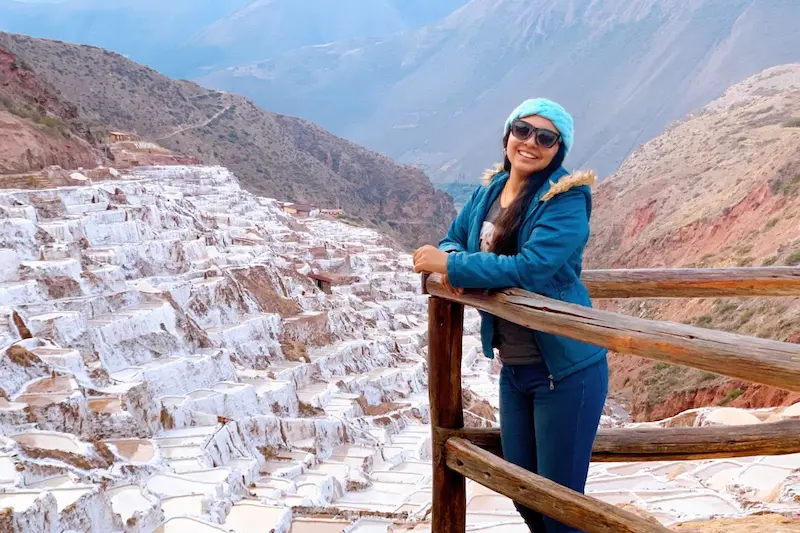
- A complex network of over 5,000 salt evaporation ponds terraced along a hillside. These ponds are fed by a natural, mineral-rich underground spring.
- Historical Significance: In continuous use since pre-Inca times, still managed by local families using traditional methods.
- Visitor Experience: Tourists can observe the salt harvesting process and purchase the famed pink salt of Maras.
2. Moray Archaeological Site
- Location: Approximately 7 kilometers (4.3 miles) west of Maras.
- Features: Circular agricultural terraces believed to have been an Incan agricultural laboratory for experimenting with crop cultivation at different altitudes.
3. Zona Arqueológica de Cheqoq
- A lesser-known but culturally significant site featuring Inca storage structures (colcas) carved into cliffs and integrated into natural rock formations.
- Highlights: The site offers panoramic views of the Sacred Valley and gives insight into Inca engineering and storage systems for agricultural products such as maize and potatoes.
- Accessibility: Located near Maras, it can be included as a short detour during visits to the salt mines or Moray.
- Why Visit: Ideal for those seeking less-crowded archaeological experiences with authentic historical context and beautiful surroundings.
Dining Options
Maras offers a selection of restaurants that cater to various tastes:
- MIL Centro: An innovative restaurant by renowned chef Virgilio Martínez, offering a culinary experience that explores the diverse ecosystems of the Andes.
- Unu Restaurante: Known for its landscape-inspired gastronomy, blending local ingredients with contemporary techniques.
- La Portada Restaurante: Offers traditional Peruvian dishes in a rustic setting.
Accommodation in Maras
While Maras itself has limited lodging options, nearby towns like Urubamba provide a range of accommodations:
- Casa Andina Premium Valle Sagrado Hotel & Villas: A luxurious retreat offering panoramic views of the Sacred Valley.
- Taypikala Deluxe Valle Sagrado: Features comfortable rooms with modern amenities and beautiful gardens.
- Lizzy Wasi Urubamba: A charming hotel known for its exceptional service and tranquil atmosphere.
Activities and Tours
Travel Tips
- Altitude Acclimatization: Given Maras’s elevation, it’s advisable to spend a day or two acclimating in Cusco or the Sacred Valley to prevent altitude sickness.
- Best Time to Visit: The dry season (April to September) offers the most favorable weather for exploring outdoor attractions.
- Local Customs: Engaging with local artisans and purchasing handmade crafts supports the community and provides unique souvenirs.